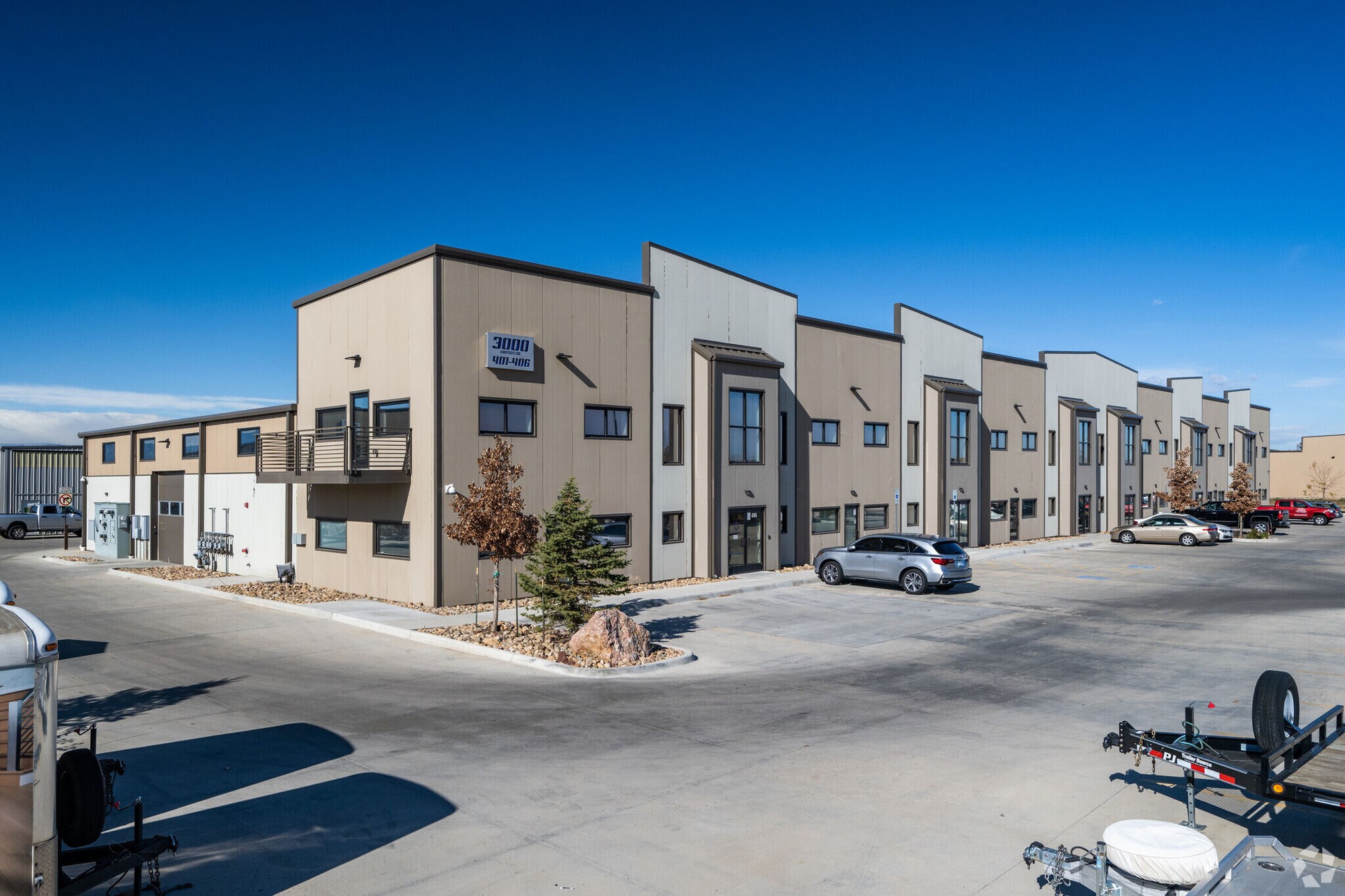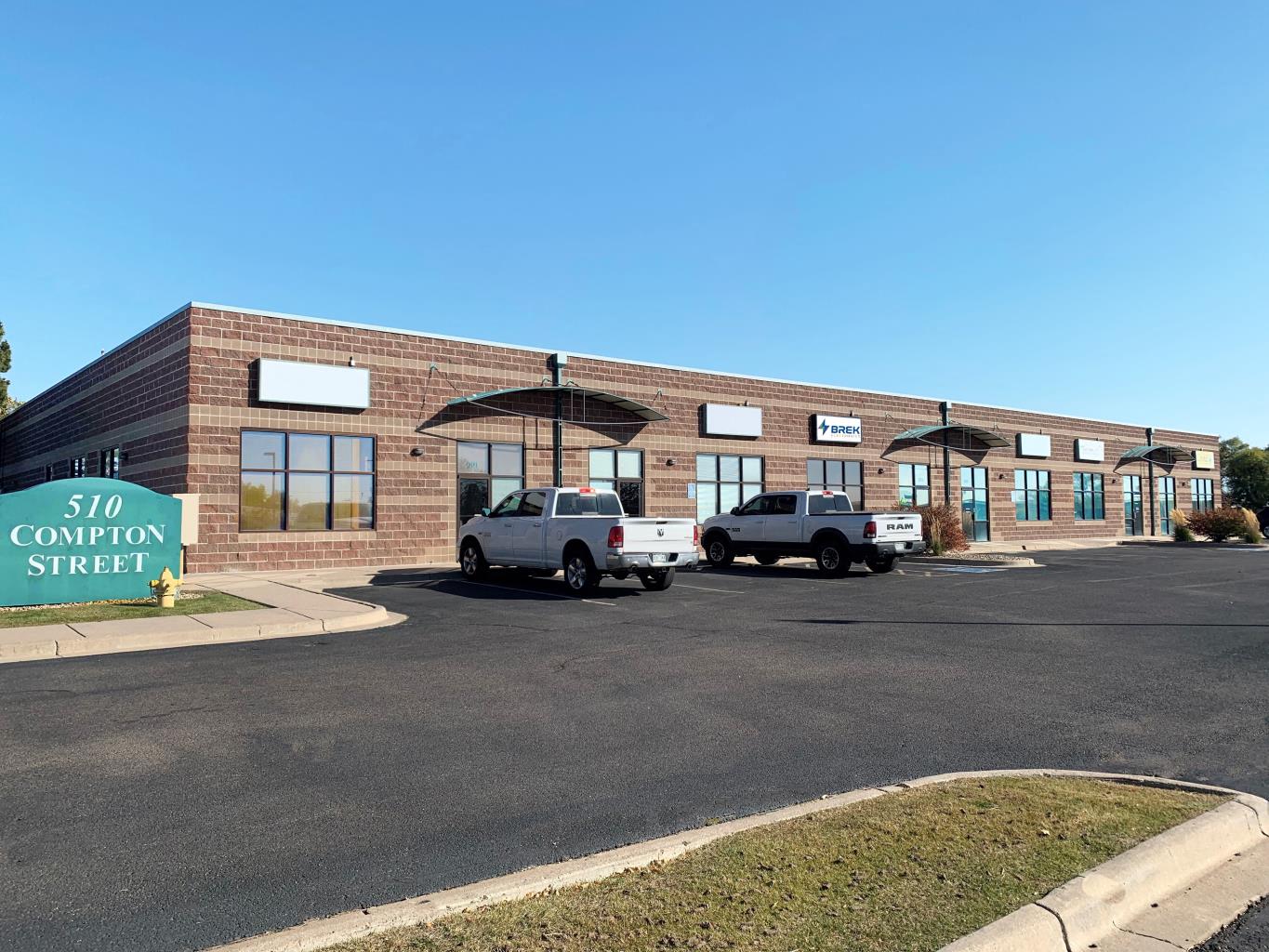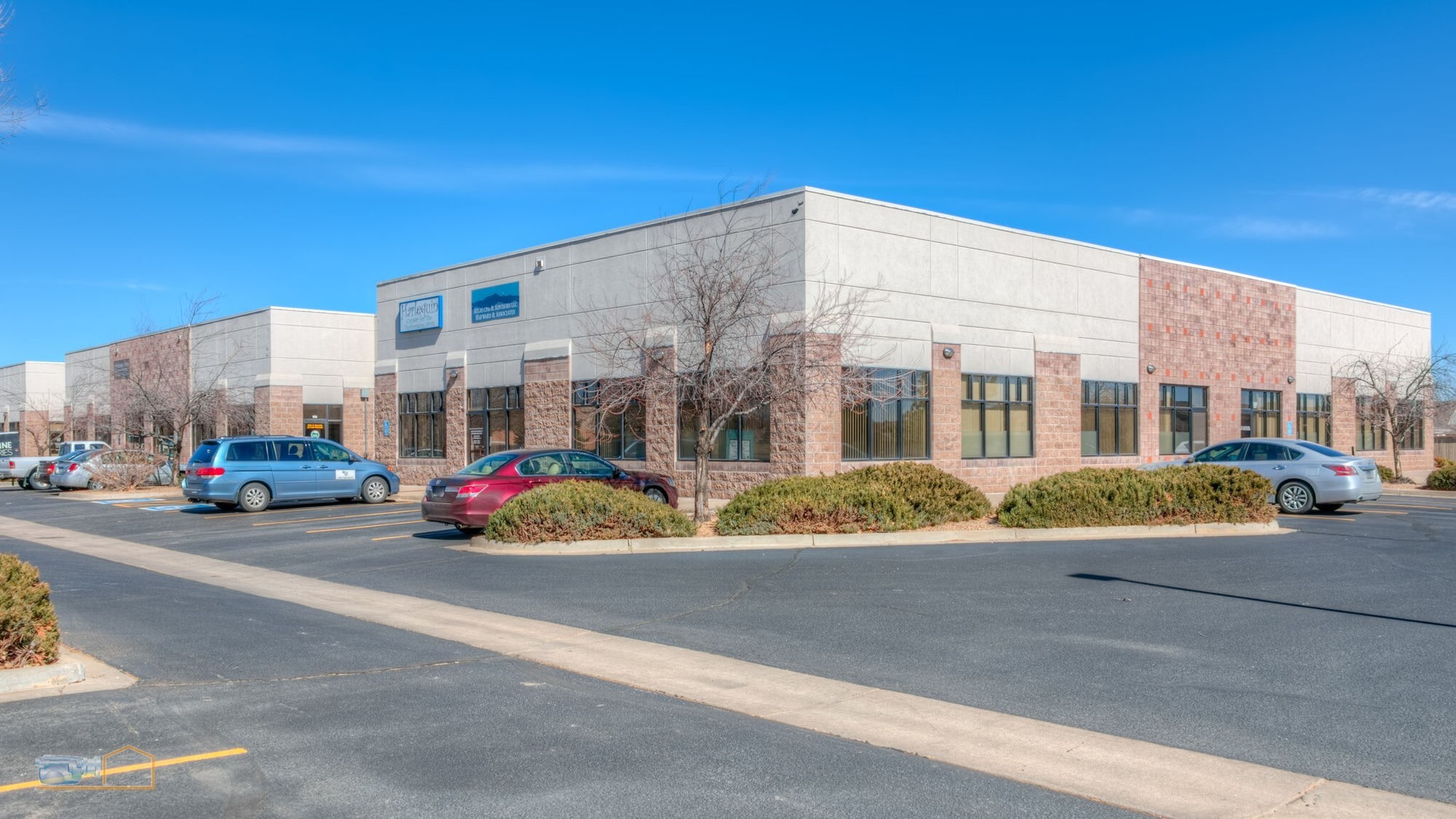
The short answer Flex space is a commercial building or unit that combines finished office or showroom space with open warehouse space under one roof, usually with a grade-level overhead door. It is called "flex" because the business can adjust the mix of office and warehouse to fit how it works, which makes it a common choice for contractors, trades, light manufacturing and e-commerce.
Goff CRE Group, brokered by Nassar Realty, represents tenants, buyers and sellers of flex space in Erie, Lafayette, Longmont, Broomfield and the rest of Boulder County and southwest Weld County. Seven of our eight transactions to date are flex.
What specs matter in flex space?
Two units with the same square footage can work very differently. These are the specs to pin down before you tour, and to confirm in writing before you sign.
- Clear height. The usable height under the lowest obstruction (beams, sprinkler lines, lights), not the roof peak. Industry guides commonly cite roughly 18 to 24 feet for flex and light industrial, and many smaller or older flex units are lower. It varies by building, so measure it. More in our clear height glossary entry.
- Doors. Most flex units have grade-level overhead (drive-in) doors. Note the door width and height, and whether a truck or trailer can actually reach it. Dock-high doors are less common in small flex.
- Office percentage. How much of the unit is finished office or showroom. Industry descriptions usually put it around 10% to 30%, but it varies widely. Too much office can be as costly as too little, because you pay rent on space you cannot use as shop.
- Power. Amperage and voltage to the unit, and whether three-phase power is available. Welders, compressors, kilns and some production equipment need it. Adding service later can be slow and expensive.
- Parking and yard. Count employee and customer spaces, and ask whether any outdoor storage or fenced yard is allowed. Many flex parks prohibit overnight trailer or equipment storage.
- Plumbing and HVAC. Restrooms, floor drains, a sink in the shop, and whether the warehouse is heated or just the office.
- Allowed uses. Zoning, the building's own rules and, in a condo, the association's use restrictions. Confirm your use is allowed before you negotiate.
Who uses flex space?
Almost any business that needs a door and a front desk. The users we see most often:
- Contractors and trades. Electricians, plumbers, HVAC, landscapers and remodelers who need a shop, material storage and an office for estimating.
- E-commerce and distribution. Inventory, packing stations and a door for parcel pickups.
- Light manufacturing and assembly. Fabrication, cabinetry, product assembly and small production runs, often with a power requirement.
- Fitness and recreation. Gyms, training studios and sports facilities that need open, tall space. These uses can trigger parking and building code questions, so check them early.
- Showrooms. Flooring, cabinets, lighting and similar businesses that want a customer-facing front and stock in back.
Should you lease or buy flex space?
Leasing keeps your cash in the business and lets you move when you outgrow the space. Buying, often as a flex condo unit in a larger building, can make sense when your needs are stable and you plan to stay. Owner-users who occupy enough of the property may qualify for SBA 504 or 7(a) financing, which can mean a smaller down payment than a conventional loan. Rates and terms vary by lender. We walk through the decision in lease or buy in Erie.